
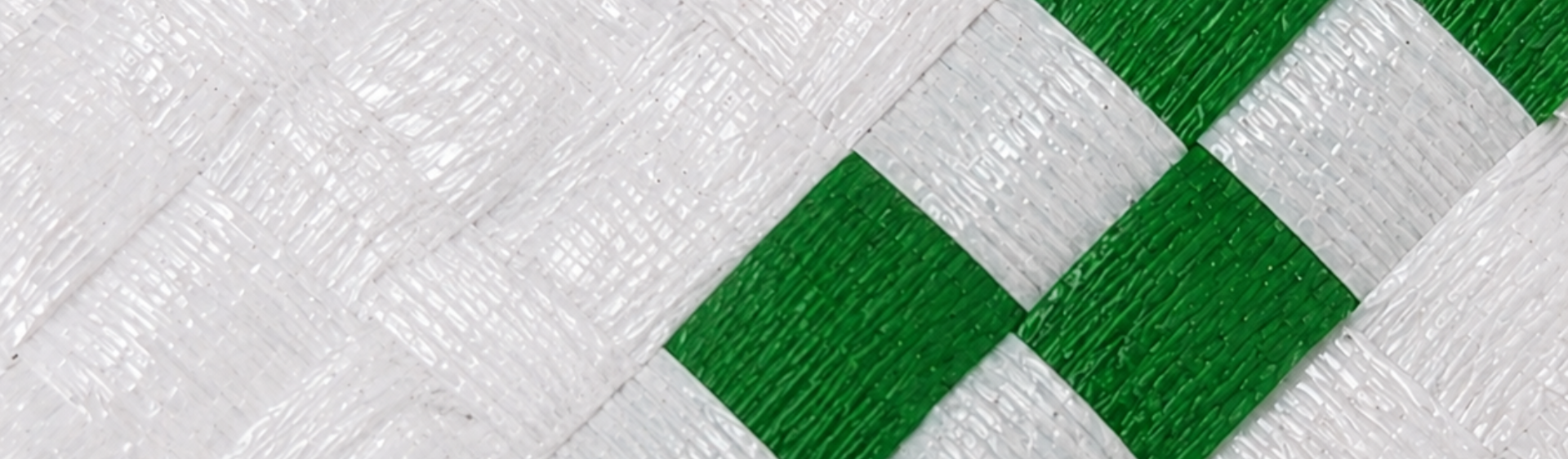
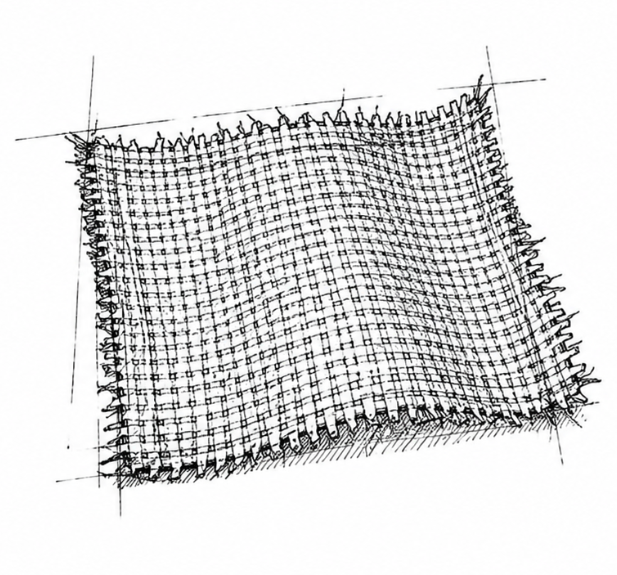
The bag fabric is the central component of the bag body and determines its load capacity, durability, and suitability for the intended material. The fabric is woven from polypropylene and can be produced with various properties that directly affect strength, sealing performance, environmental resistance, and material compatibility.
Breathable fabric — allows air to pass through and is suitable for dry materials
Coated fabric — helps reduce moisture penetration and powder leakage
Fabric with an inner liner — for protecting sensitive materials
Material type (powder, granules) | Moisture sensitivity | Storage and transport conditions | Safety requirements (e.g., static electricity)
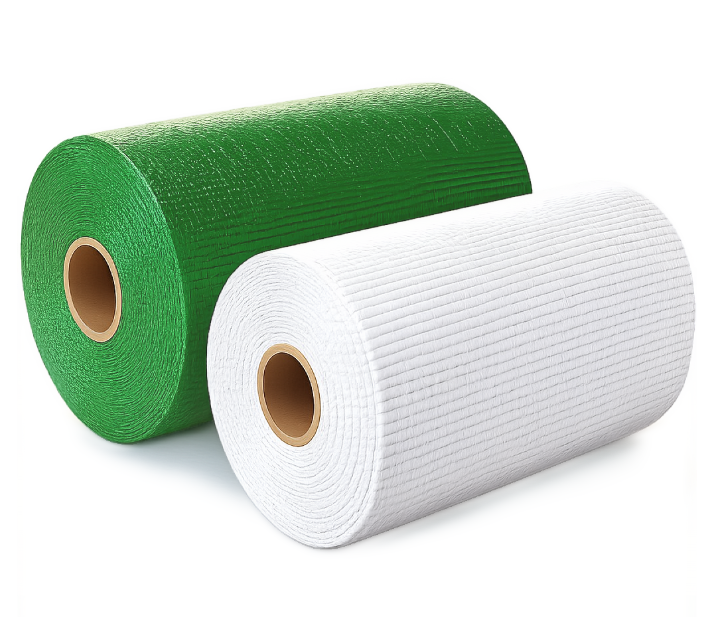
Material composition — the fabric’s flexibility and stretch properties are affected by the materials from which it is made.
Weave density — affects strength and sealing performance
Fabric weight — heavier fabric generally provides greater strength
UV resistance — helps reduce degradation caused by sunlight exposure
Resistance to chemicals and moisture
The bag structure - such as round, four-panel, or baffle - affects the bag’s shape and stability.
Fewer seams, fewer weak points
Greater stability in storage and improved resistance to heavy loads
Maintains a square shape and enables efficient use of volume
High-quality fabric helps protect the product and reduce operational risks.